
Peel & Stick Wallpaper
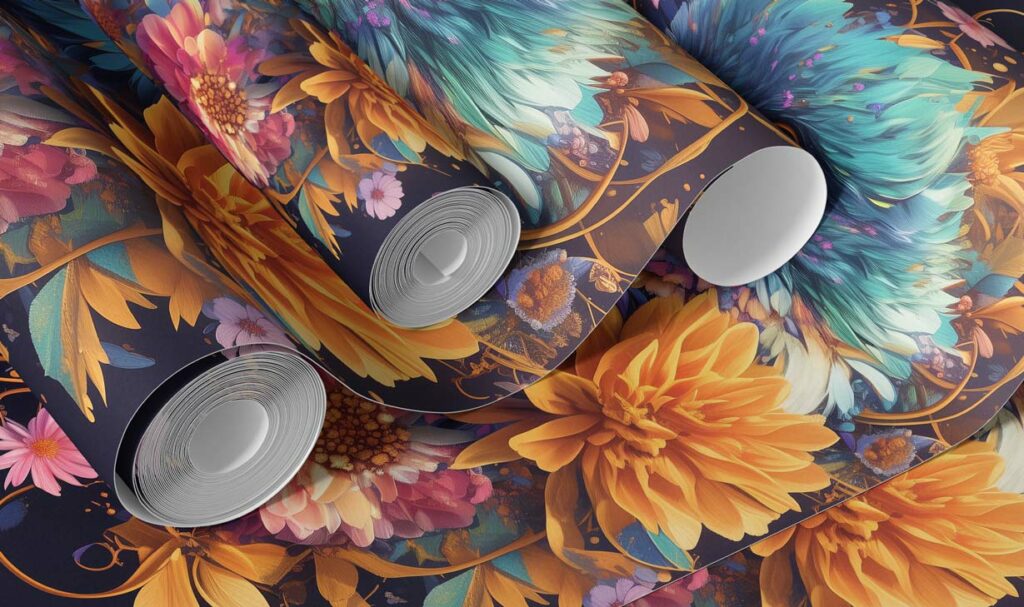
Peel & Stick wallpaper has become a popular choice in recent years—especially for renters or anyone looking for a temporary or DIY-friendly solution. It’s easy to apply, but to make the process even smoother, here are some essential tips and tricks.
Before you begin
- Make sure your wall is smooth and even. Textured walls are not suitable for Peel & Stick wallpaper.
- To avoid patterns showing through, we recommend a solid white background.
- Allow the wallpaper to acclimate for 24 hours in the room before applying, to prevent shrinkage.
- If you have underfloor heating, place the roll on an elevated surface.
- The ideal temperature for application is 18–25 ºC, with 40–65% humidity.
- Remove all obstacles like outlets and switches beforehand.
New or plastered walls
- If your wall is freshly plastered, untreated, or newly built, apply a primer first to improve adhesion.
- Alternatively, paint the wall white (avoid latex-based paint).
- Proper wall prep helps the adhesive grip better and reduces the risk of peeling.
What you’ll need
- Screwdriver
- Utility knife
- Wallpaper smoother or spatula
- Cutting ruler
- Seam roller
Step 1. Prep the Wall
Before you start, it’s crucial to properly prepare the wall. Peel & Stick wallpaper will not adhere well to rough walls.
If your wall has texture (such as small holes, bumps, or a plastered pattern), you’ll need to smooth it out first. Why? Because the adhesive only makes contact with the highest points of a textured wall. The lower areas stay untouched, which traps air and causes the wallpaper to come loose or hang unevenly.
So, make sure the wall is completely smooth. You can achieve this by sanding the surface or applying a leveling compound. Also, ensure the wall is dust- and grease-free—this is essential for optimal adhesion.
Step 2: Check the Panels
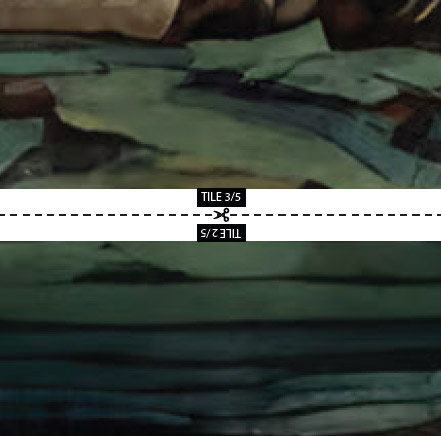
You’ll receive your Peel & Stick wallpaper as one single roll. At the end of each panel, there’s a cut line printed. Use these to cut the roll into separate wallpaper panels.
Lay all the panels out on the floor in order before you begin. Start with the last panel on the bottom and the first one on top, so it’s easier to grab the first one when you’re ready to begin.
The panels are numbered from left to right, so always start with panel 1 on the far left side of the wall.
⚠️ Apply the wallpaper only to smooth, well-prepared surfaces. If the surface is unsuitable, the wallpaper may not stick well and could eventually peel off.
Step 3: Removing the Backing
Do not peel off the entire backing paper in one go. Work in small sections for better control and results. Start by peeling about 7 to 10 cm from the top across the entire width of the panel. This avoids the adhesive sticking back onto itself and makes it easier to handle.
Tip: You can lay the panel flat on the floor to help remove this first section of backing more easily.
⚠️ The moment you peel more of the backing depends on the design.
If the pattern must align in the middle of the wall, then start there and only peel further once the pattern is perfectly aligned.
Step 4: Apply Panels Edge to Edge
Start at the left side of the wall with panel 1.
Hang the first panel carefully and make sure it’s straight. Then take panel 2 and align it carefully to panel 1. Make sure the pattern matches at two key points:
- One above the center
- One below the center
Place the panels directly next to each other—edge to edge—with no overlap. This ensures a clean and seamless look.
Make sure the design or image lines up perfectly. If the panels overlap, the print or pattern won’t align, and you’ll lose the professional finish.
Step 5: Teamwork Is Essential
Installing Peel & Stick wallpaper is much easier with two people.
While one person holds the panel in place, the other can slowly and evenly peel down the backing paper. This keeps the panel straight and avoids it sticking to the wall before you’re ready. Working together helps ensure a smooth, bubble-free result.
Step 6: Smoothing Out Air Bubbles
Air bubbles can appear during application—that’s totally normal. Use a soft tool, like a smoothing spatula or a seam roller, to gently press them out. Smooth out the bubbles as you go, working your way down the panel. This helps prevent large air pockets from building up by the time you reach the bottom.
If you do notice a big bubble later on, don’t panic. Carefully lift that section of wallpaper and reapply it slowly, smoothing it from the inside out.
Be gentle to avoid damaging the wallpaper.
Step 7: Take Your Time
Don’t rush! Applying Peel & Stick wallpaper should be done slowly and methodically. Start at the top of the panel and peel the backing little by little, smoothing the wallpaper down as you go. This ensures no air gets trapped and gives you better control over placement.
Step 8: Finishing Touches
Once your wallpaper is applied, use a plastic spatula to press along the edges and into the corners. This ensures the wallpaper is securely attached and keeps air from getting trapped along the sides.
With these detailed steps, installing Peel & Stick wallpaper becomes an easy and satisfying DIY project.
Take your time, follow each step carefully, and enjoy your beautiful new wall!