
You’ve decided to give the room a makeover in the form of a new layer of wallpaper. In many cases, you will first have to remove the old wallpaper to achieve an optimal result. But what is the best way to remove wallpaper? And how do you go about removing wallpaper? We show you on the basis of a number of handy tips and a concrete step-by-step plan.
Supplies for removing old wallpaper
Like many jobs, removing old wallpaper also starts with the right tools.
The following supplies are actually indispensable.
- A wallpaper steamer or plant sprayer with lukewarm water. These items are necessary to wet the walls well so that the old wallpaper comes off properly.
- A detergent or soaking agent makes it even easier to soak off the old wallpaper layer.
- A putty knife or wallpaper scraper to remove the old wallpaper from the wall.
- A stool or step can also be very useful, especially if the walls of your home are quite high.
- Plastic tarp. This is a good material to cover the floor with, so that it gets covered by the old wallpaper residue. Especially if you have carpeting, those residues will not be easy to remove without a protective sheet.
- Is the wallpaper very well attached or does it have a waterproof layer? Then you can use a wallpaper perforator to make holes in the wallpaper.
- A stash of garbage bags. Of course you can’t just leave the old wallpaper residue on the floor. It is best to remove the wallpaper from an entire wall and then put it in the garbage bags. This keeps the floor tidy and you don’t get buried under huge piles of removed wallpaper.
Step-by-step plan for wallpaper removal
Removing wallpaper becomes a lot easier with a clear and thorough step-by-step plan. It consists of the phases and actions below and shows how wallpaper removal works.
- Step 1 Preparation
- Step 2 Wetting old wallpaper
- Step 3 Removing wallpaper
- Step 4 Cleaning & Repairing
Preparing
Removing wallpaper starts with good preparation. Pay particular attention to the points below.
- Always disconnect the power before you start removing wallpaper.
- If possible, remove the skirting boards and sockets from the walls to also be able to remove the fine remains of old wallpaper.
- Punch some holes in the old wallpaper beforehand. In this way, the wallpaper absorbs water faster and easier, making it easier to release in the end.
Wet the old wallpaper
Wetting the old wallpaper makes the removal process a lot easier and more pleasant. If it concerns relatively small walls, you can use a soaking agent for this job. Apply this according to the instructions on the package and let it soak in for a few minutes.
Is your home equipped with wide and high walls? Then a wallpaper steamer offers a solution. Fill it with water and wait a while until the water has heated up. Then hold the steamer against the wallpaper until it becomes soft.
Remove the wallpaper
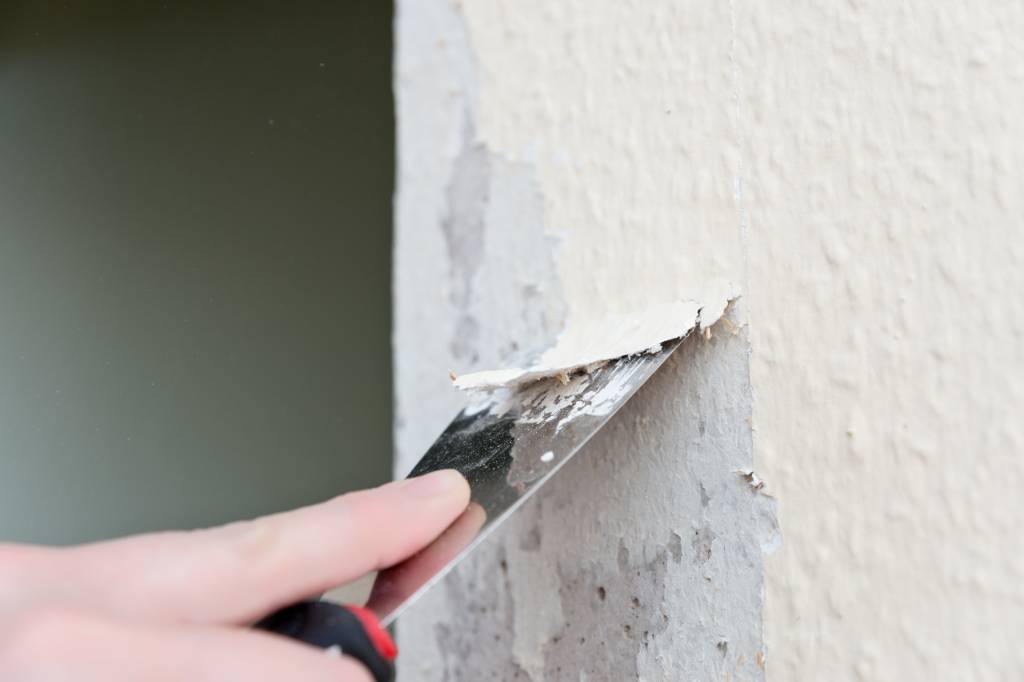
Now that the wallpaper has become softer and looser, you can remove the old wallpaper permanently. It is best to use a good and sharp putty knife for loosening. This is an activity that listens fairly closely. A method that is too rough and hasty can lead to damage to the wall, an undesirable effect that will result in a mountain of extra work later on.
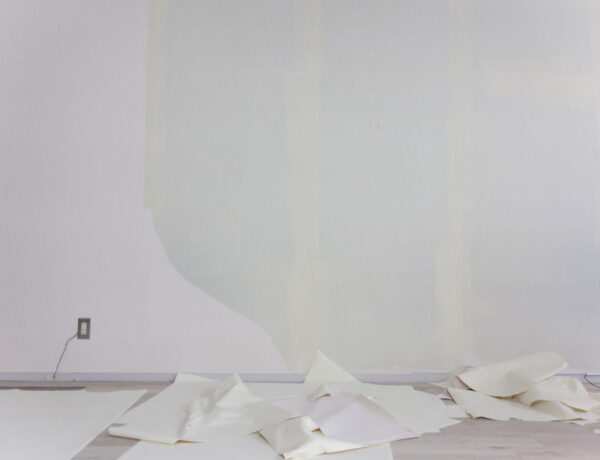
You start by removing the top layer. Start in one of the bottom corners. Then grab the corner of the wallpaper and slowly pull it diagonally away from the wall. Because you’re doing it diagonally, the pieces of wallpaper will stick together and the chance of getting it off in one go increases.
After the top layer it is the turn of the so-called adhesive layer. Fill an empty spray bottle with warm water and add a few drops of dish soap. Then spray the remedy on the adhesive layer and let it soak in for a few minutes. Over time, the adhesive layer will bubble and peel off on its own.
Cleaning and repairing walls
Although removing the wallpaper is of course the lion’s share of the total DIY job, it is not the end station yet. Before applying new wallpaper, it is important to thoroughly clean the walls. There will always be some glue residue and small patches of the old wallpaper left. A good sanding with a hard and wet brush usually removes these last imperfections well.
It is also possible that cracks or other types of damage have formed under the old wallpaper over the years. It is important to repair it before you start applying a new wallpaper layer. Wall filler is your ideal partner for this. It is best to use seam filler for any seams between drywall. Sand the material well after drying to prevent visible irregularities in the new wallpaper.
New wallpaper
Now that the old wallpaper has been removed, it’s time for new wallpaper. Have you ever thought about choosing photo wallpaper? At Fotobehang.com you can order beautiful photo wallpaper at very competitive prices. All prints are printed on a very high quality non-woven wallpaper.
Take a look around our website and take a look at our collection of photo wallpaper. You are sure to find a photo wallpaper that perfectly matches your taste!