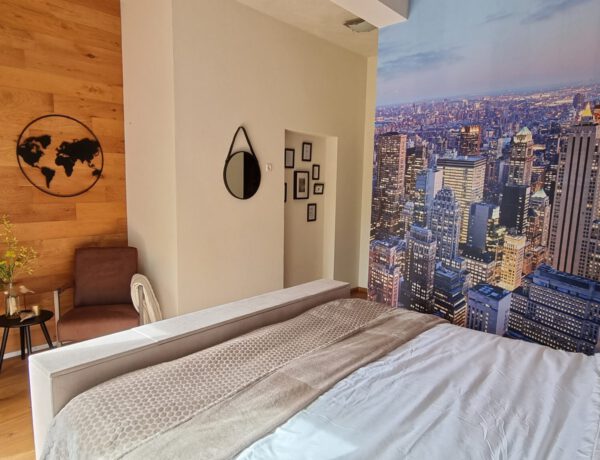

You can of course choose to remove old wallpaper if you are going to apply a new wallpaper layer. But it is sometimes also possible to stick new wallpaper over the old one. But this is not possible for all types of wallpaper. There are a few things you should keep in mind though. In this article, we shed light on the most important do’s and don’ts when applying wallpaper over wallpaper.
Remove old wallpaper?
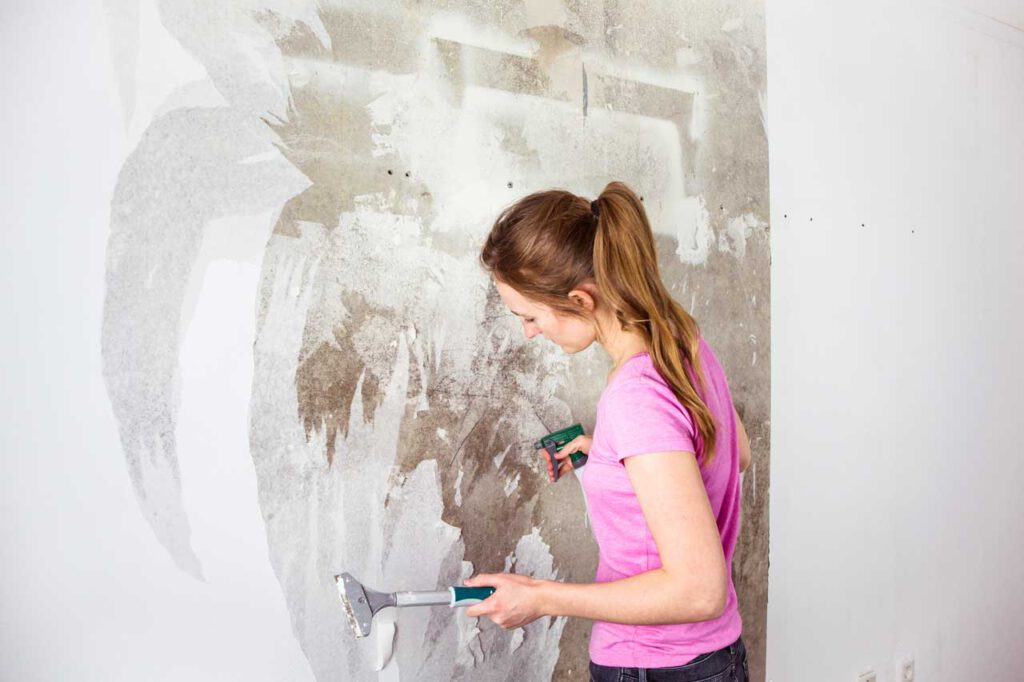
A first question that arises when applying a new layer of wallpaper is whether you really need to remove the old wallpaper. The answer to that question partly depends on the condition of the old wallpaper. Our advice is to always remove the wallpaper, because then you can apply the new wallpaper evenly and tightly to the wall.
If there are many bumps or other imperfections in the old wallpaper, it is not a good idea to stick new wallpaper over the old one. The new wallpaper will then not become nicely even, warp and be marred by ugly bumps.
When can you apply wallpaper over wallpaper?
We recommend that you only apply wallpaper over wallpaper on smooth renovlies wallpaper. This wallpaper is also called construction wallpaper. This wallpaper is smooth and even, and that ensures that your new wallpaper can be applied over this wallpaper without any problems.
Is the old paper wallpaper still pretty cool and smooth? Then wallpaper over wallpaper can be a good and easy option. However, smearing your old wallpaper with glue can again cause irregularities in the old wallpaper layer. Of course it saves you a lot of work, but we do not recommend it.
Types of wallpaper
The type of wallpaper also influences whether it is wise to stick new wallpaper over old wallpaper. First, let’s take a look at the types of wallpaper out there.
Fiberglass Wallpaper
An ideal decorative solution to reinforce old walls and cover cracks. Fiberglass wallpaper exists in many structures. For example, think of motifs such as herringbone, checks or balls. Once you have applied it, you can paint the fiberglass wallpaper in the desired color without any problems.
Paper or duplex wallpaper
This type consists of two layers of paper. Here, the strips of the wallpaper are applied against each other.
Non-woven wallpaper
This is most often used as the basis for photo wallpaper and is in fact paper wallpaper with an extra layer of non-woven fabric. The big advantage of non-woven wallpaper is that you do not have to apply glue to the paper, but only to the wall.
Non-woven wallpaper also does not expand and can be removed relatively easily without the use of techniques such as steaming, scraping or soaking. In addition, non-woven wallpaper is extremely strong.
Also, non-woven wallpaper is a lot easier to remove (dry removable) than the split paper wallpaper, where the underlayer sometimes remains when removed.
Wallpaper on top of wallpaper?
The type of wallpaper largely determines whether it is a good idea to lay the new layer of wallpaper directly over the old one without removing the latter first. Due to its thickness and structure, paper wallpaper (duplex) is actually the only type of wallpaper that invariably yields really good results with wallpaper over wallpaper.
With the other types, it is in most cases better to remove (the underlayer of) the old wallpaper before applying a fresh new layer.
Non-woven wallpaper over old wallpaper
Non-woven wallpaper, the type of wallpaper that forms the basis for the photo wallpaper from our photo wallpaper collection, gives the best results if you first (partially) remove the old wallpaper. Non-woven wallpaper is strippable, which means that the top layer can be pulled away from the bottom layer. After you have wetted and chipped the top layer of the old wallpaper, you can apply the new non-woven wallpaper directly to the old underlayer.
Does the underlayer of the old non-woven wallpaper partially or completely peel off during stripping? Then it is better to remove this layer completely. Otherwise, the new wallpaper may start to blister, something you naturally want to avoid when applying a beautiful and brand new wall decor of photo wallpaper!
Conclusion
Whether you can apply new wallpaper over old wallpaper largely depends on the wallpaper type. With duplex wallpaper, wallpaper over wallpaper is usually not a problem, but with other types of wallpaper it is advisable to be careful and follow the tips and recommendations above. This way you are always assured of an even wall with eye-catching photo wallpaper!